
Public Health
Beyond the 10-Minute Limit: 4 Actionable Lifestyle Medicine Interventions for Primary Care
Dr Fateh Amer2 days ago · 4 min read
Browse all clinical evidence, news, and expert commentary

97.3% sensitivity, 94.1% specificity, and NICE still calls its accuracy in primary care unclear. Here is why both things are true.

Three practices searched their records for patients on long-term PPIs and invited them for a capsule sponge test. Nearly 9 in 10 eligible, interested patients took it. About 1 in 25 had Barrett’s oesophagus.
Dr Fatima Tahir explains the safeguards that underpin clinical trials in general practice, from ethical review and informed consent to Good Clinical Practice and ongoing safety monitoring.
A large US matched cohort found lower recorded cerebrovascular, hospital-use and mortality outcomes among people with OSA exposed to GLP-1 receptor agonists. The finding is promising, but observational and not a replacement for standard OSA care.


Preclinical studies show sustained molecular responses to GLP-1 receptor stimulation in pancreatic cell models. What does that mean for primary care, and what does it not show?


The February 2026 NG28 update rewrote type 2 diabetes care for UK GPs. What changed, why it matters, and the four other NICE updates from the past year worth knowing.

This is a chance for women to get their mojo back.


Coding, registers and the four pillars in UK primary care

NICE TA1152 establishes semaglutide 2.4 mg as a secondary cardiovascular-prevention treatment for adults with established cardiovascular disease and a BMI of at least 27 kg/m². Niraj Lakhani considers what this means for primary care.

New MASH licences clarify the fibrosis stages they cover, while the staging pathway remains the practical question for primary care.
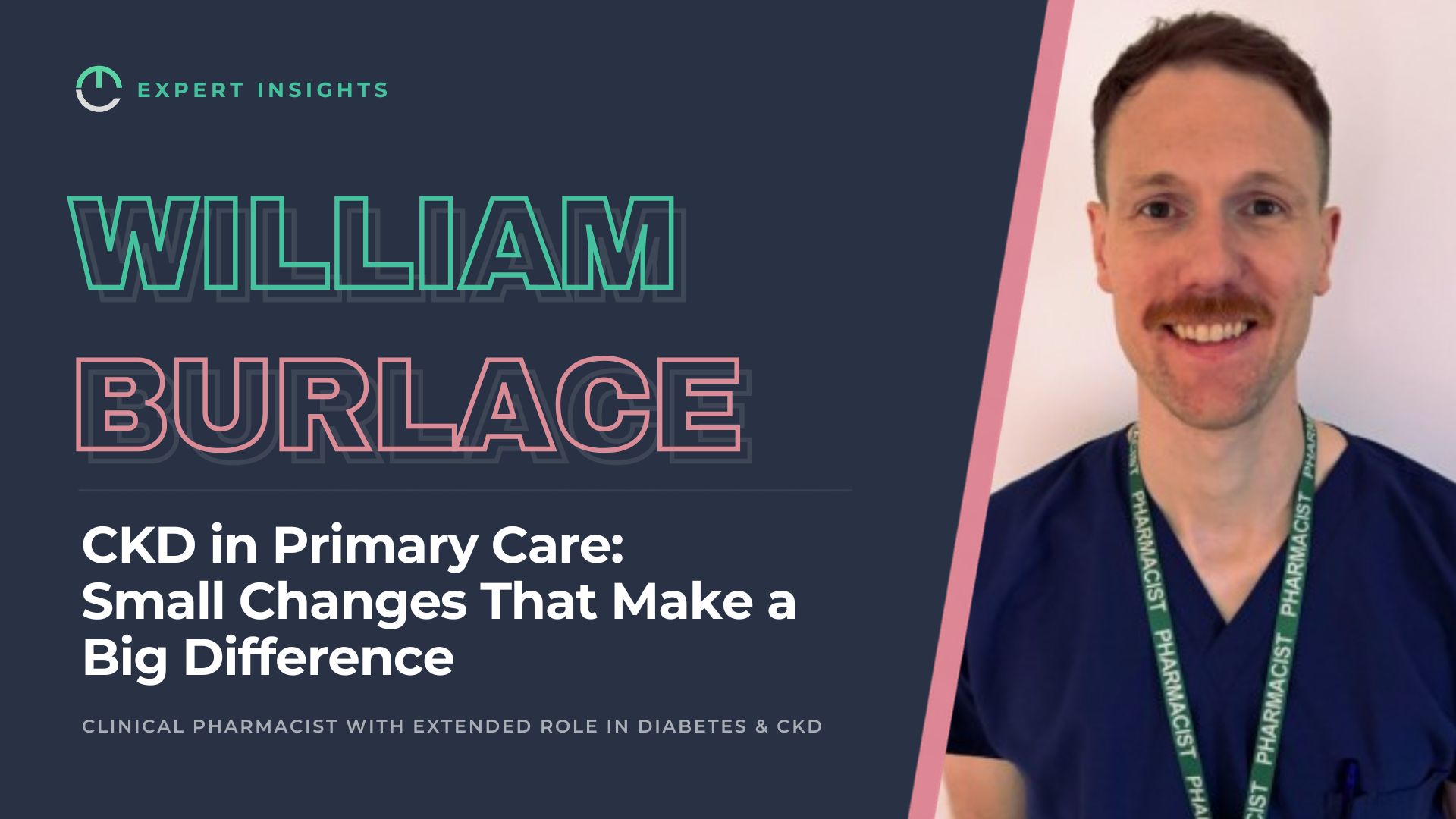
CKD is common, but progression is not inevitable.

A BMJ network meta-analysis of 262 trials and 99,791 participants compares 19 obesity drugs. The ranking matters less than what sits behind each position.

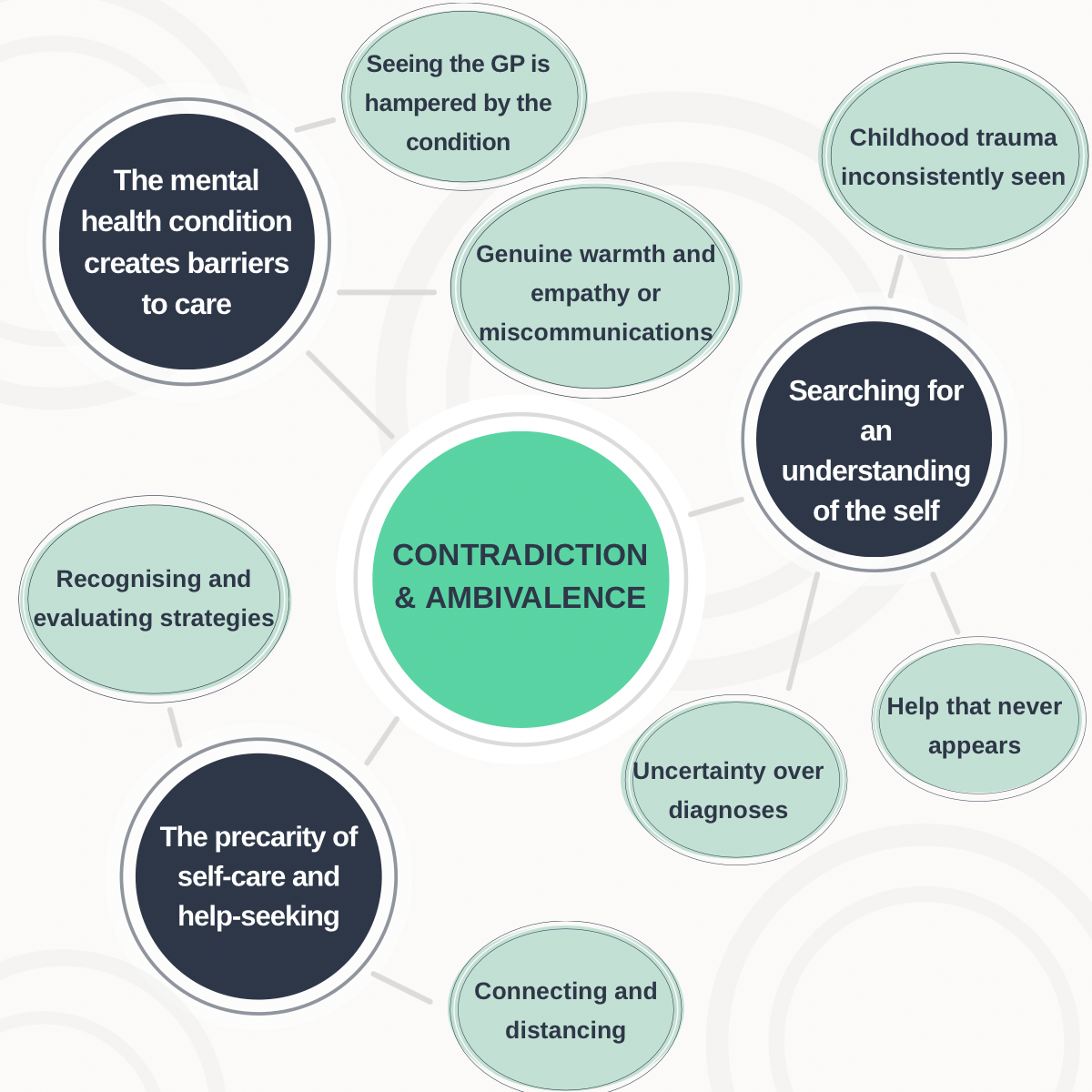
Around a quarter of patients presenting to primary care with mental health difficulties meet criteria for personality disorder, yet only 1 to 1.5% have a coded diagnosis. A new qualitative study explores what that gap looks like from the patient side.

Almost 90% of NHS patient contacts happen in primary care, yet most research still happens somewhere else. Dr Fatima Tahir on why that gap matters, and what practices stand to gain from closing it.
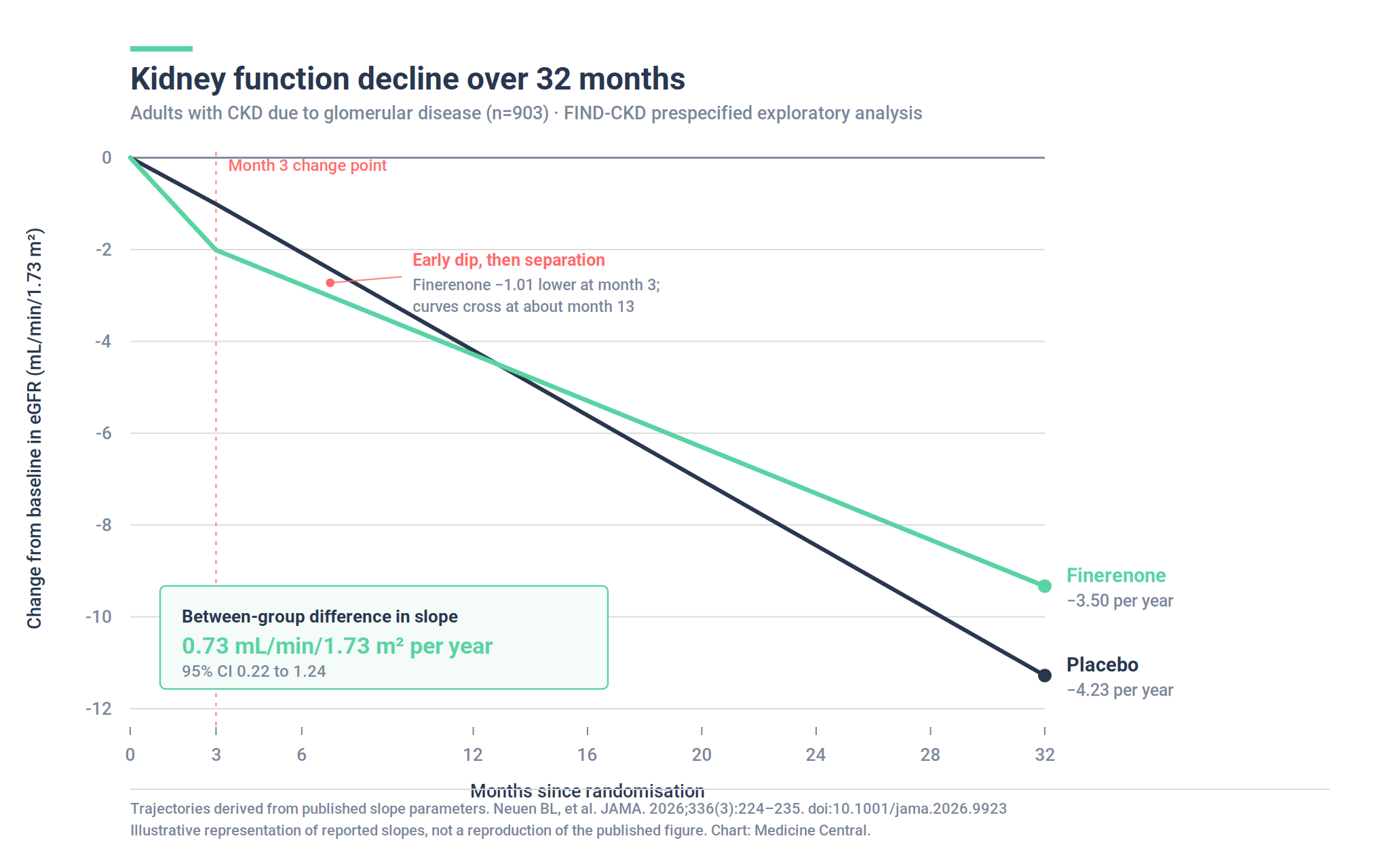
A prespecified exploratory analysis of the FIND-CKD trial reports slower eGFR decline with finerenone in chronic kidney disease due to glomerular diseases.