More heart attacks and strokes after stopping statins in the over-70s
After STREAM finished, the trial's safety board advised anyone who stopped their statin to consult their doctor about restarting it.
Medicine Central
Clinical evidence moves faster than guidelines. Our medical team filters, curates, reports and educates on what has changed and how it impacts primary care practice. Providing you a trusted central reference point you can come back to, so you're always current.
Editor's picks

After STREAM finished, the trial's safety board advised anyone who stopped their statin to consult their doctor about restarting it.

Fewer than one in three people who prepared for dialysis ever started it. A UK trial questions the default.

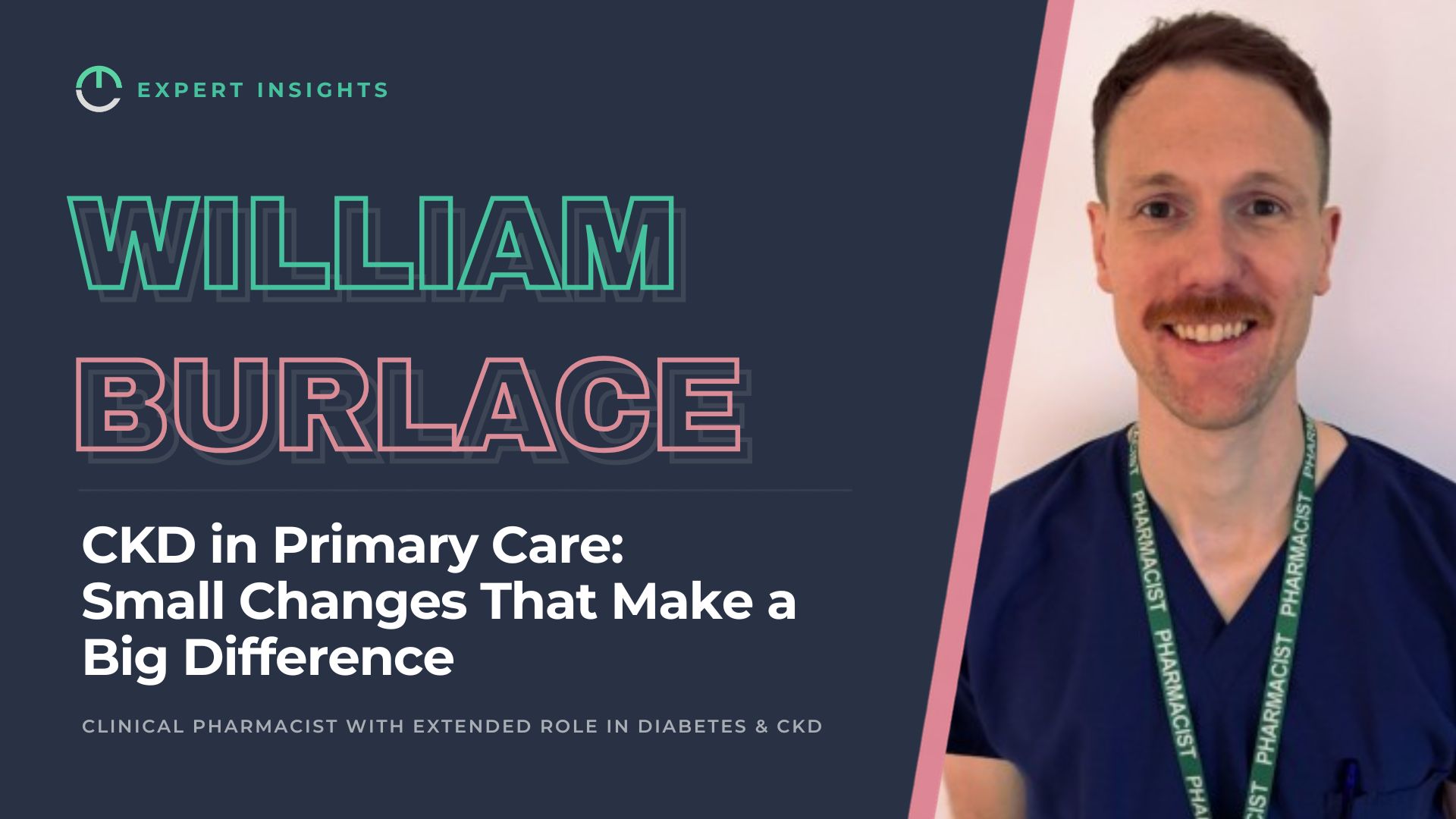
Beverley Bostock shares a practical approach to CKD in primary care, from checking ACR and eGFR to reducing cardiovascular risk, treatment and the questions she is asked most.
Type 2 Diabetes
Diagnostic criteria, risk tools, annual care processes and referral pathways.
Chronic Kidney Disease
CKD staging, eGFR monitoring, renal protection and referral pathways.
Obesity
BMI classification, weight management tiers, risk stratification and referral pathways.
Cardiovascular Health
CVD risk assessment, hypertension management, lipid modification and referral pathways.
Asthma
Diagnostic criteria, risk stratification, annual review checklist and referral pathways per NG245.
COPD
Diagnosis, severity staging, smoking cessation, annual review and referral pathways per NG115.
For someone who needs help with every basal insulin dose, this means 52 assisted injections a year instead of 365.

The trial aimed to recruit more than 25,000 people. The pandemic left it with 4,633. That limits how much its results can tell us.

CKD is common, but progression is not inevitable.

Menopause awareness is growing, but inequities in access, symptom burden and clinician confidence may leave some women unheard.

A study of 1.4 million women in England shows that pregnancy records should be part of heart health discussions, not just antenatal notes.

A UK observational study of more than 8,000 women found substantial six-month weight loss and high retention in a structured digital-first GLP-1 programme. It is promising implementation evidence, but not a comparison with NHS or face-to-face care.

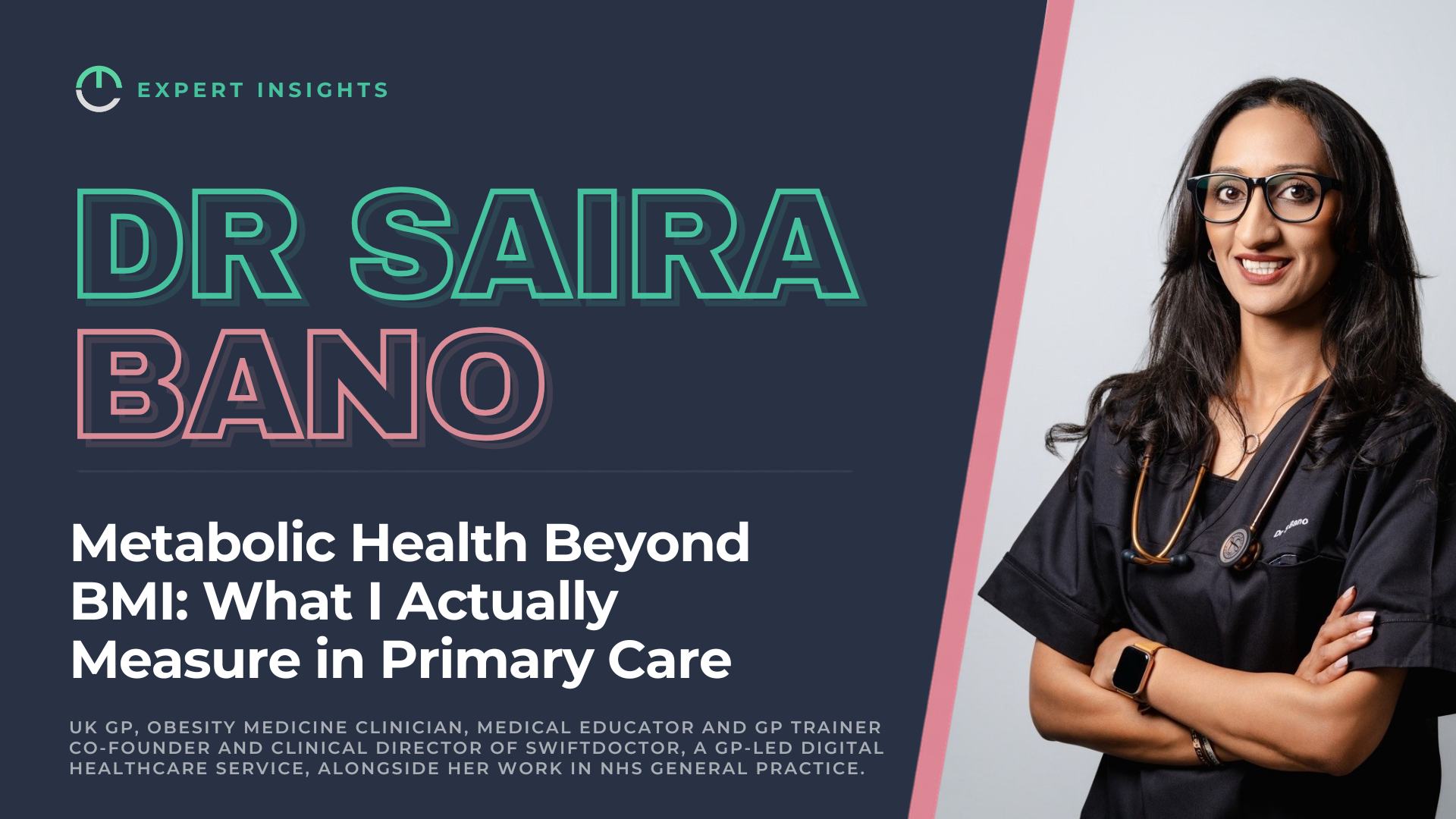
Dr Saira Bano explains why BMI is a starting point—not the whole assessment—and how waist-to-height ratio, HbA1c, blood pressure, lipids and cardiovascular risk help build a clearer metabolic picture in primary care.
In focus
From semaglutide to tirzepatide: the evidence on weight management medications is moving fast. Our clinical team breaks down what the latest trials mean for prescribing in primary care.
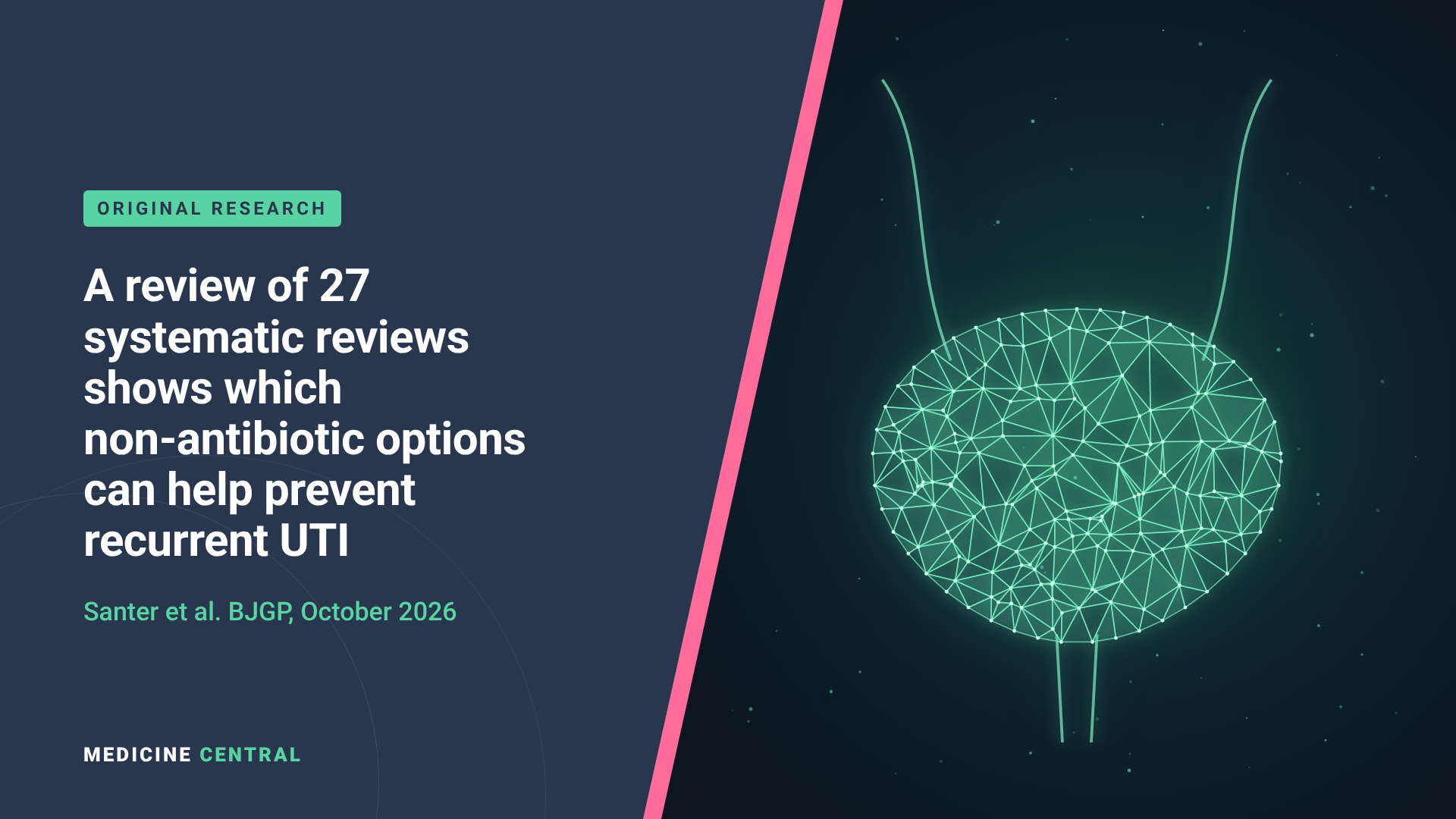
Read the GLP-1 coverageRecurrent UTI drives a large share of antibiotic use in women. The alternatives vary a lot in how much evidence backs them.

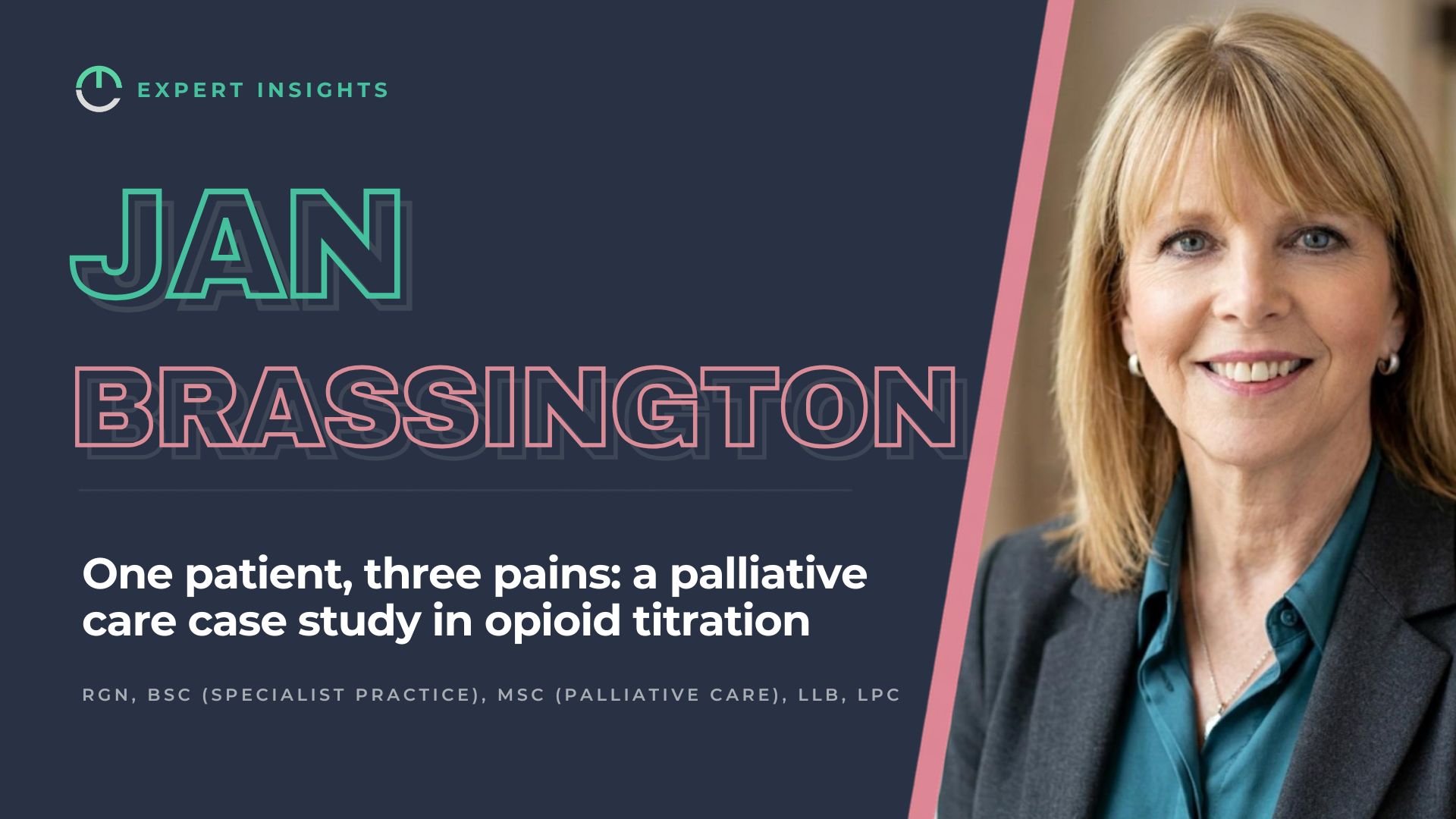
This week, our expert insights will guide you through a case study from Jan Brassington’s webinar, ‘Managing Pain in Palliative Care.’ You can now watch it as an on-demand video on our CPD Webinars page!

Children who met criteria for a psychiatric disorder in 2017 were more likely to see difficulties worsen over three years than earlier cohorts. A new England study underlines the importance of prevention, early identification and effective support.

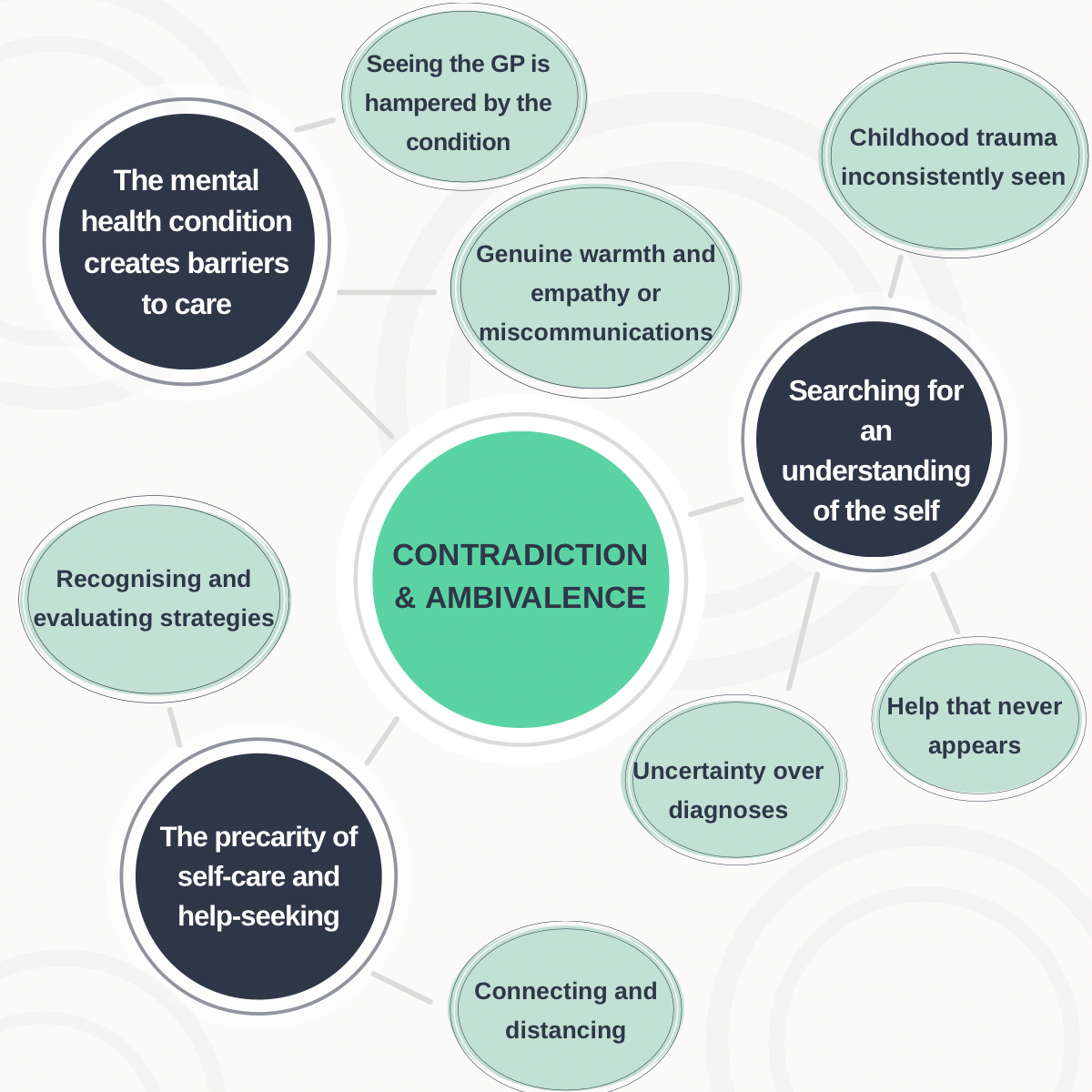
Around a quarter of patients presenting to primary care with mental health difficulties meet criteria for personality disorder, yet only 1 to 1.5% have a coded diagnosis. A new qualitative study explores what that gap looks like from the patient side.

A London study of nearly 159,000 patients indicates the programme might do more than just spot high blood pressure early.

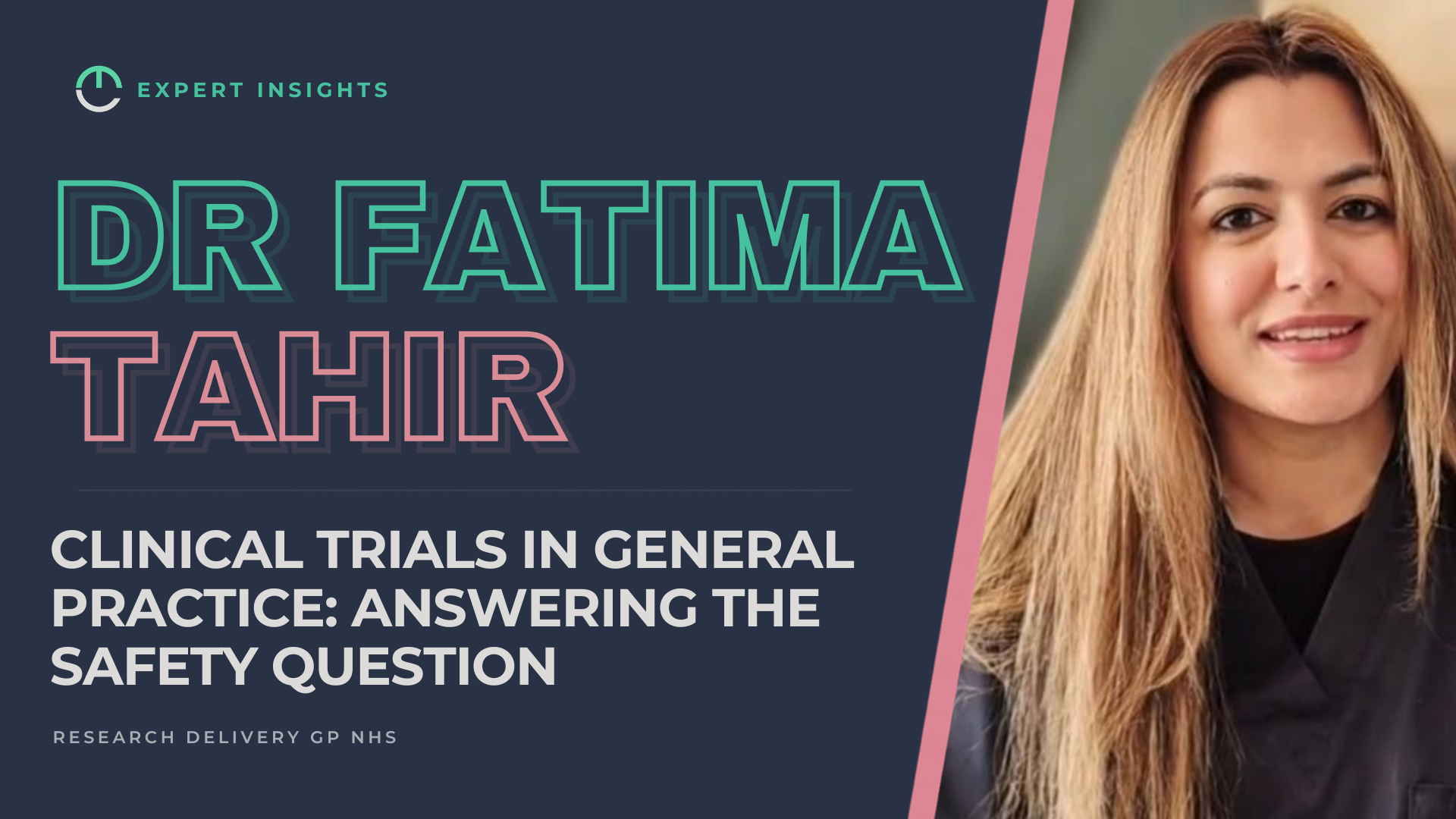
Dr Fatima Tahir explains the safeguards that underpin clinical trials in general practice, from ethical review and informed consent to Good Clinical Practice and ongoing safety monitoring.

Finding a cancer and changing its outcome are not the same thing. The largest trial of a multicancer blood test shows why.
Sixteen months after it reached the UK market, the live chikungunya vaccine has been withdrawn.

A large US matched cohort found lower recorded cerebrovascular, hospital-use and mortality outcomes among people with OSA exposed to GLP-1 receptor agonists. The finding is promising, but observational and not a replacement for standard OSA care.
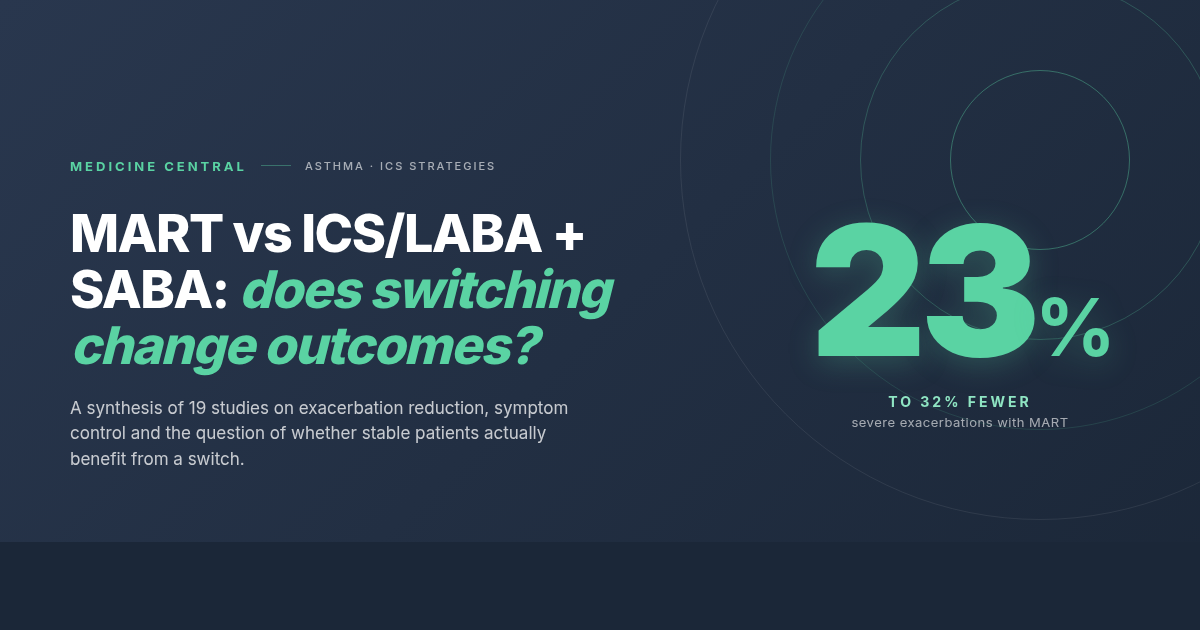
Across 19 papers published since 2022, a consistent picture emerges on MART versus conventional ICS/LABA plus SABA. The headline benefit is concentrated in exacerbation prevention - but the size of the gain depends heavily on baseline exacerbation risk.
Why Medicine Central
Medicine Central is curated especially for UK primary care, with contributions from guest expert clinicians.
Peer-reviewed sources only, with study design and limitations reported alongside the headline.
CPD-eligible webinars let you log time against your appraisal portfolio.
Key publications in 50 words
Researchers from Exeter, Oxford and Queen Mary London used English GP records to compare 111,711 people diagnosed with cancer with matched controls. One in five had a non-cancer diagnosis coded in the year before. Thirty-seven of these were linked to outcomes, 18 consistently worse. UTI before bladder cancer and constipation before colorectal or ovarian cancer predicted later stage and emergency presentation. Pneumonia before lung cancer was worse on every outcome. The authors' answer is safety-netting while the diagnosis is still uncertain.
Among 830,936 adults aged 18 to 60 with lower GI symptoms in English primary care, testing rose from 1.6% in 2015 to 7.7% in 2023. A quarter of those with a result below 100 µg/g were referred anyway. Among those referred despite a normal result, 0.5% were diagnosed with IBD and 1% with colorectal cancer. The test does its job for IBD. It is not a cancer test, and red-flag symptoms still need a referral whatever the result.
Clalit Health Services in Israel followed 34,309 adults without diabetes starting semaglutide for obesity. The estimated probability of discontinuation by one year was 67.6%, based on dispensing gaps. Patients still on the 0.25 mg starting dose at day 90 had a higher subsequent discontinuation hazard than those on 1.0 mg (HR 1.88). This association was largely explained by early refill adherence, not proof of why patients stopped. If the dose has not moved by three months, that is the moment to ask why. Patients paid half the cost, so UK persistence may differ.
Across 14 placebo-controlled trials in 76,969 adults with type 2 diabetes, SGLT2 inhibitors reduced first heart-failure admission or cardiovascular death by 23% (HR 0.77) and composite kidney events by 31% (HR 0.69). Kidney outcome definitions differed across trials, so the kidney estimate needs cautious interpretation.
In over 400,000 UK Biobank participants, replacing creatinine with cystatin C reclassified 15% to a more advanced CKD stage. People with four or more long-term conditions had over four-fold higher odds of a large negative eGFR difference. This observational study does not show that cystatin C testing improves outcomes.
This week's edition
This week's key publications, each summarised in 50 words by our clinical team.
Free professional account
We will never share your contact information.