NICE backs a saliva test for endometriosis in revised draft guidance. What does the evidence show?
97.3% sensitivity, 94.1% specificity, and NICE still calls its accuracy in primary care unclear. Here is why both things are true.
Browse all clinical evidence, news, and expert commentary

97.3% sensitivity, 94.1% specificity, and NICE still calls its accuracy in primary care unclear. Here is why both things are true.

This is a chance for women to get their mojo back.

Most of us carry a mental model of fatty liver disease as something that turns up more often in men. A new narrative review in Diabetologia suggests it's time for an update.


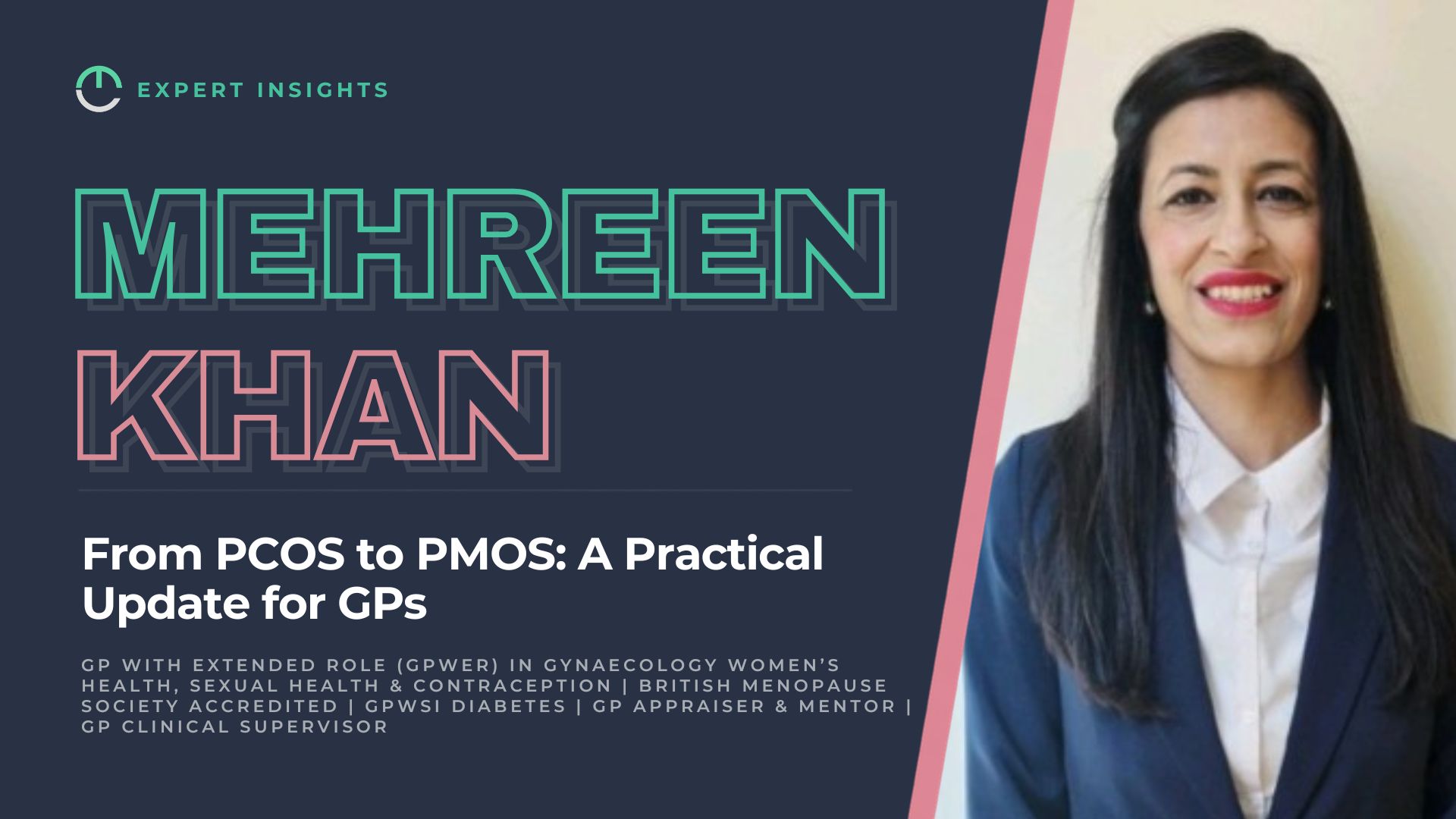
PCOS has been officially renamed Polyendocrine Metabolic Ovarian Syndrome (PMOS) following international consensus in 2026. This expert update covers the new diagnostic criteria, holistic management approach, and what this means for primary care.

A recent UK survey reported that 37.7% of clinicians have never had any teaching on vulval skin disease, and 97.5% wanted clear diagnostic criteria.

NICE has made the most significant update to ovarian cancer detection guidance since NG12 was first published. Here's what you need to know.

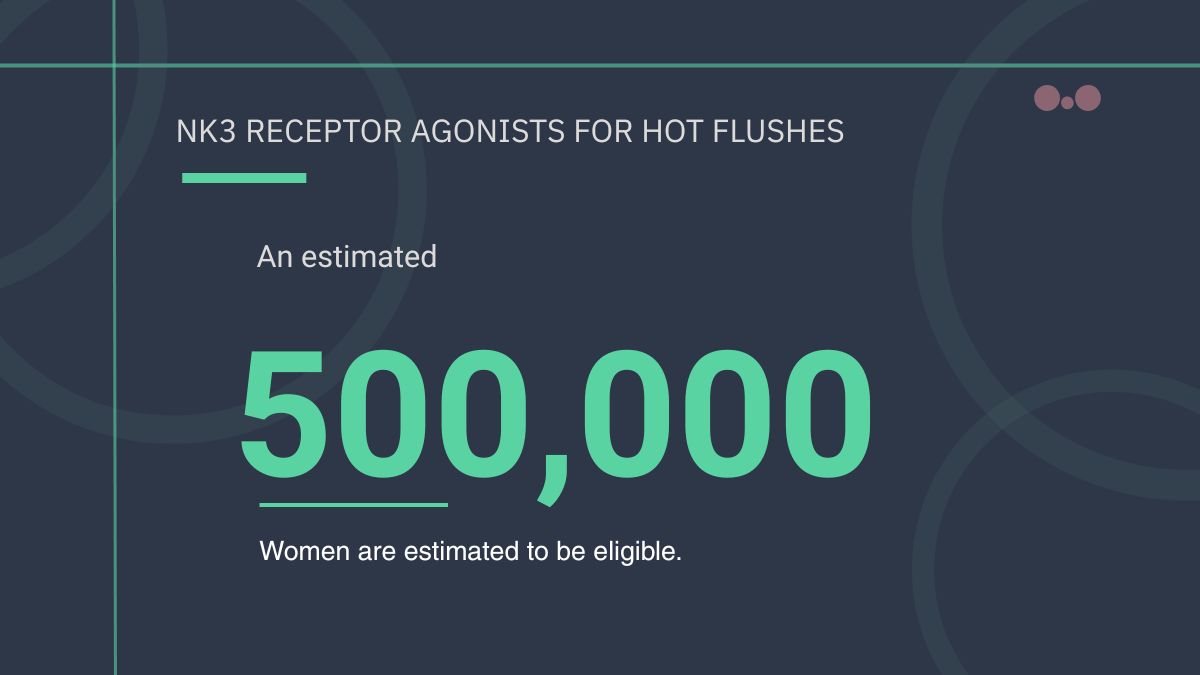
NICE has now recommended the first drug in a genuinely new class — Fezolinetant in TA1143. It's an NK3 receptor antagonist for moderate to severe menopausal vasomotor symptoms when HRT isn't suitable.
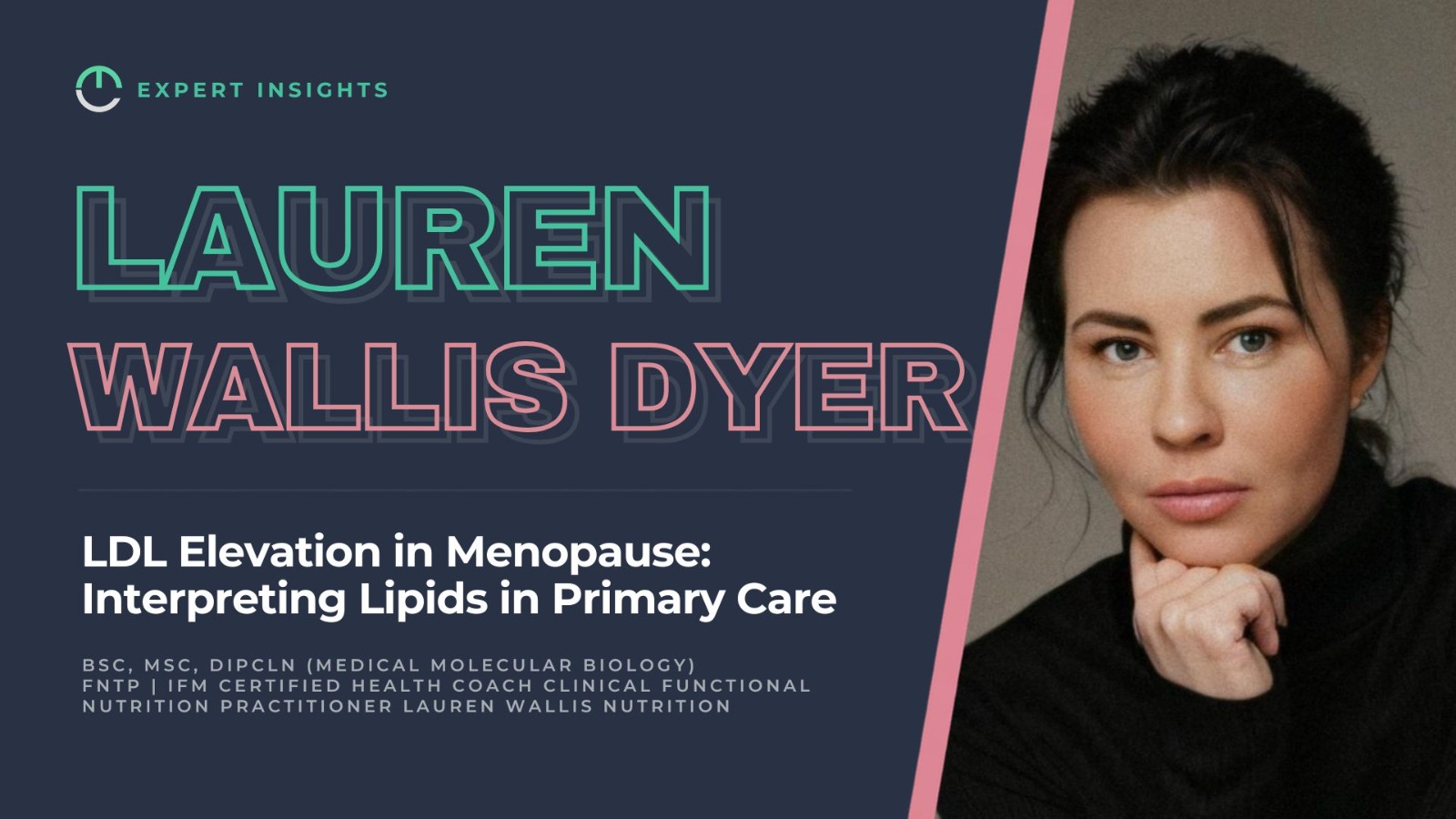
From raised LDL to a new non-hormonal drug class and the largest HRT safety study to date, this week is all menopause in primary care.

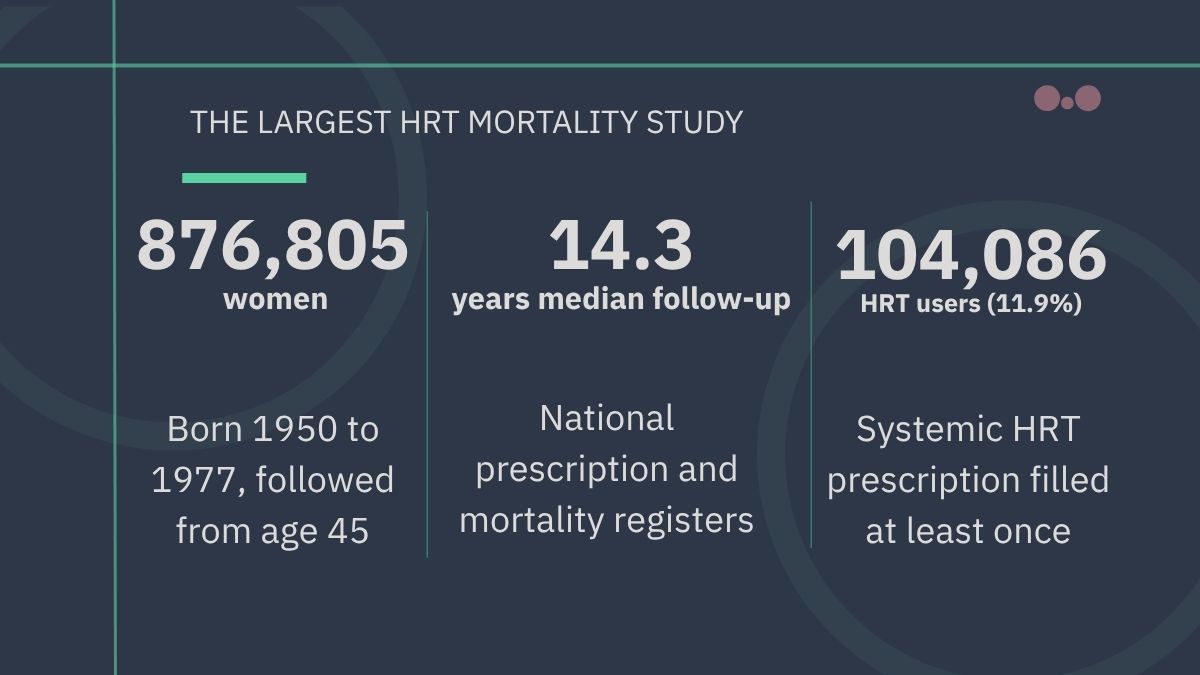
No excess mortality after 14 years. No signal for cardiovascular or cancer deaths; plus a survival benefit in women after bilateral oophorectomy.

Individualised HRT offers substantial symptomatic relief with acceptable safety when used appropriately; however, ongoing research is needed to address persistent uncertainties about long-term outcomes.